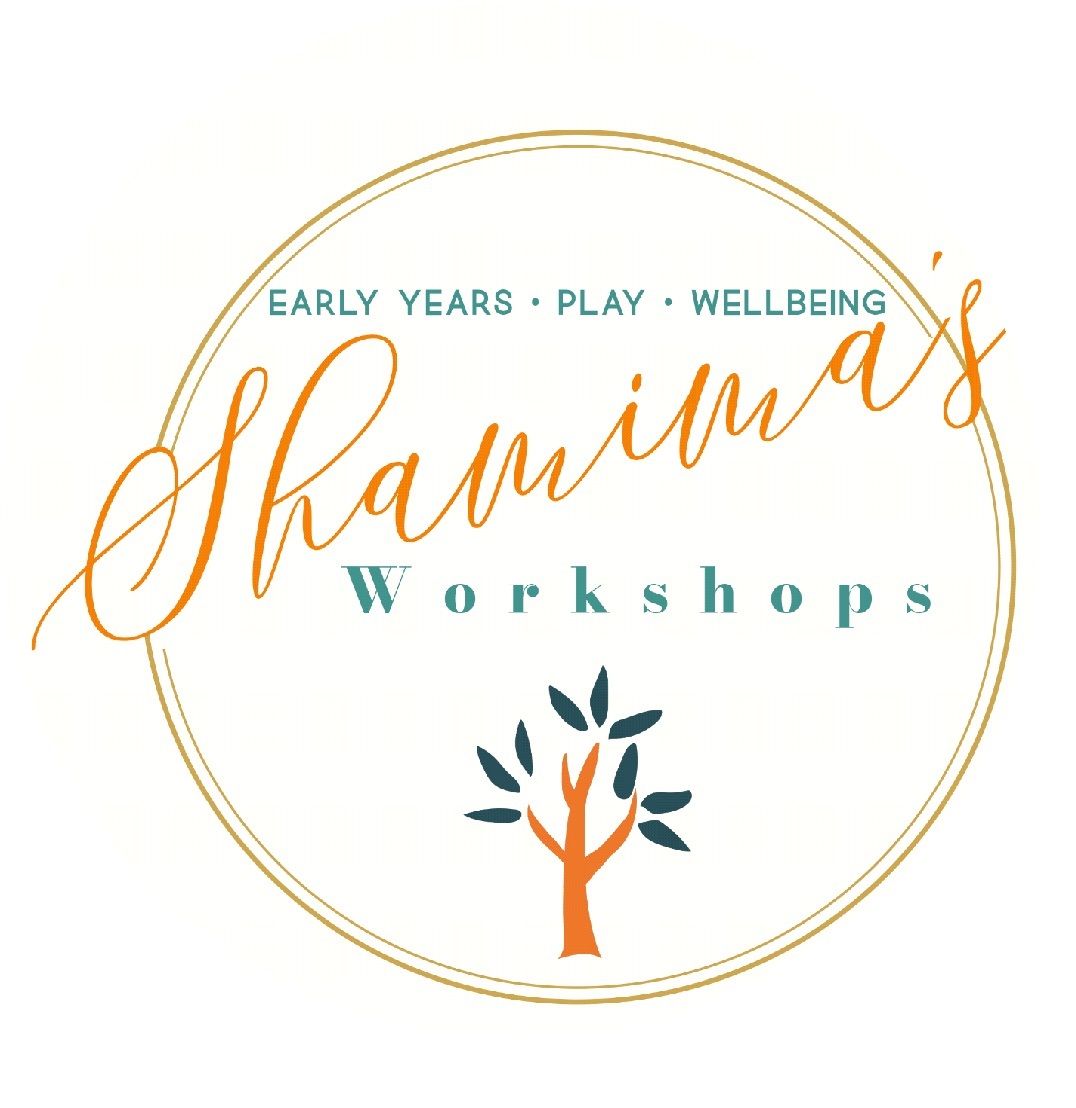
Egg carton flower craft activity
Shamima Fowzee
This is a subtitle for your new post
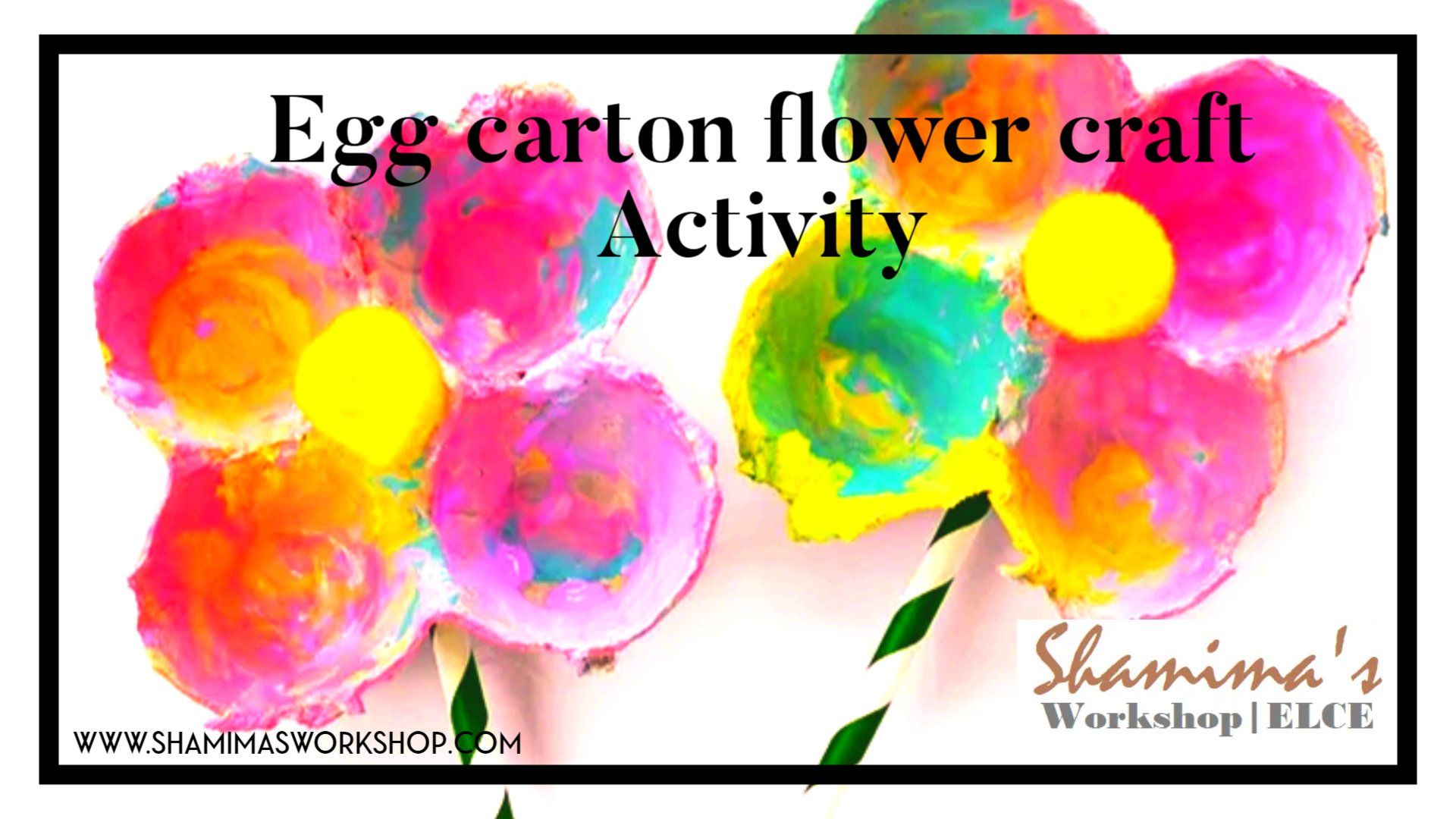
Egg carton flower craft activity is a hands-on very simple fun craft. Children enjoy this activity.
Appropriate age:
3-4 years
Number of children:
Individual activity
Play based learning:
Creative play
Learning areas:
Cognitive Development, physical development (fine motor skills) Language Development
Vocabular:
paint brush, flower, patels, and egg carton
Materials Needed:
The material required for this activity are
· Paint
· Paint Brush
· Painting Palette
· Egg Carton (not foam)
· Paper Straw
· Pom Pom (optional)
· Glue
· Scissors
Direction of Activity:
- Squirt some paint onto a paper plate or painting palette. Use any colors children like and paint the flower. Have fun!
- After the paint is dried, have children glue the paper straw to the back of the flower to make the flower stem. A paper straw is thick enough to hold Egg Carton Flower, but child could also use a small stick or a chopstick. Give the children to choose what they want to use as a flower stem, a straw or a chopstick.
- Later ask children to glue a pom pom to the centre of the painted Egg carton flower. They can add different colour pomp pom according to their choose. A beautiful Egg Carton Flower is done!
Adult role:
Egg cartons are thicker than paper, so they’re harder to cut. Adult can if children are experiencing difficulties cutting the egg cartons.
Children should be supervised and supported by a parent/guardian at home or practitioner in the classroom.
Welcome
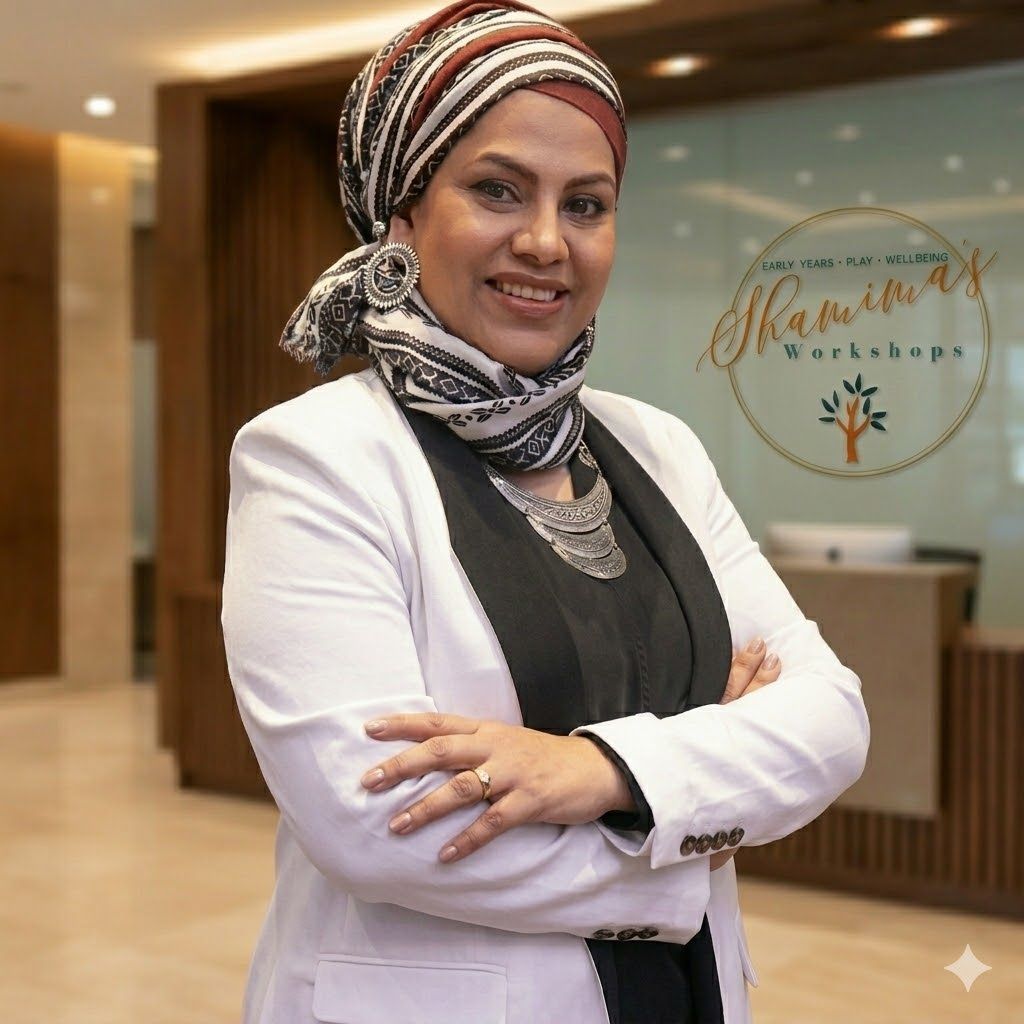
Hi, i am Shamima Fowzee, an early years educator, trainer and consultant. I Share ideas, inspiration, & resources for play-based, inquiry-led learning. Find out more about me here.
SHOP NOW
RECENT POST
Helping children who can’t express their feelings? Discover practical early years strategies and how art supports emotional expression and behaviour.
Discover how art therapy supports emotional, social, and cognitive development in young children. Learn 7 simple art therapy activities for children aged birth to 5 years by Shamima’s Workshop.
Learn how the Observation, Assessment and Planning (OAP) cycle supports effective early years practice. Develop skills to observe, assess, and plan meaningful learning experiences aligned with EYFS and Development Matters.
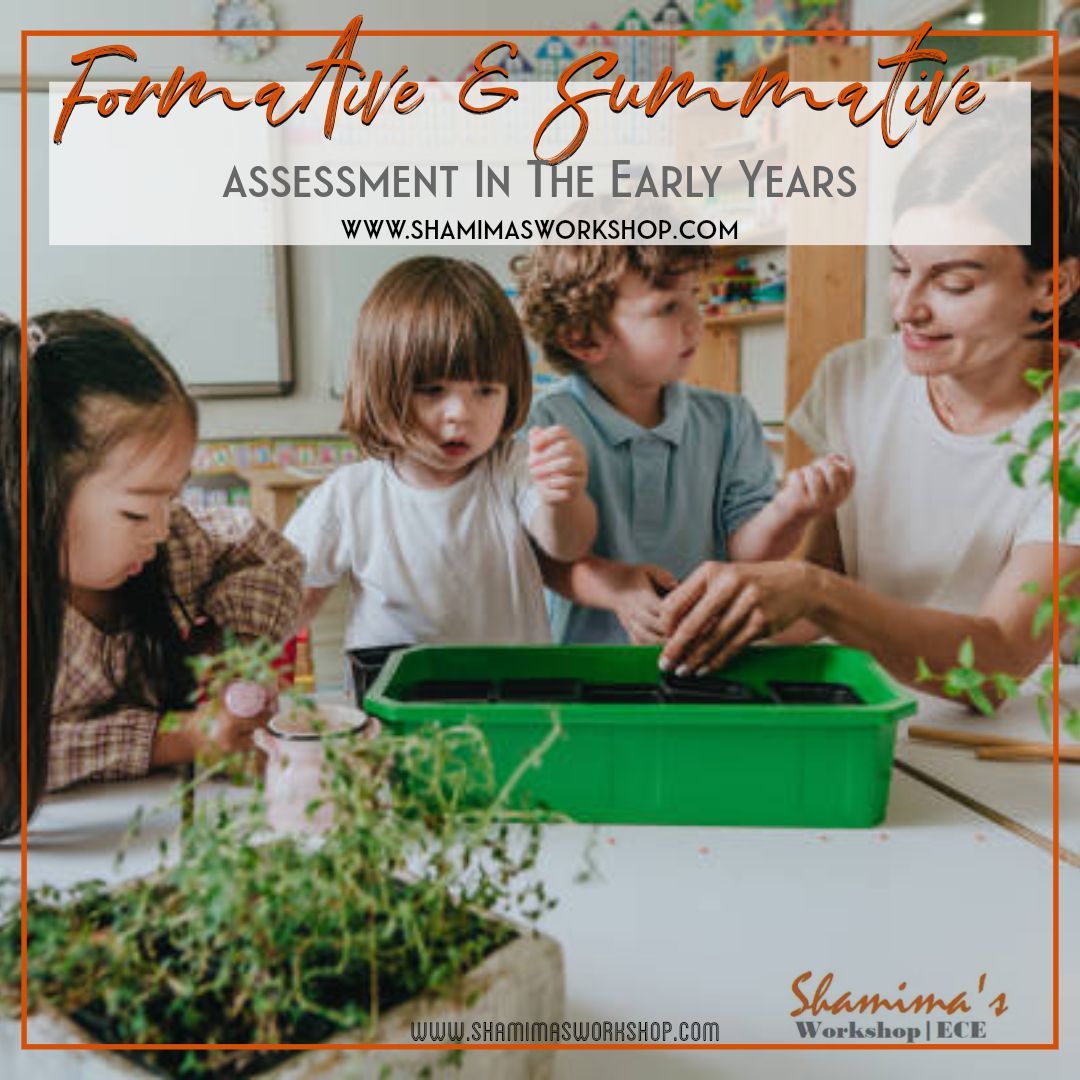
As an early childhood practitioner, you will frequently come across the term "assessment". Assessment is part of early years practitioners' day-to-day interactions with children. In the early years, assessment is the process of gathering information about a child, analyzing that information, and then using the information to arrange educational activities that are at the level of the child and also benefit the child. EYP continually makes judgments about children's learning and development and uses the information they gather to help children to progress. Children, too, make judgments about what they are good at, what they enjoy doing, what they can do now with little help, and what they would like to be able to do in the future. “ Assessment plays an important part in helping parents, carers and practitioners to recognise children’s progress, understand their needs, and to plan activities and support. “ EYFS Framework 2024, section 2.1, page 19 The most common types of assessment are formative and summative. As a preschool teacher, you might be familiar with these terms but still need clarification about how they work.
How can I thank you? Spread the word!
For everyone who is passionate about the importance of Early Years.