Using Art as a Therapeutic Approach in Early Years
Supporting emotional well-being , expression, and development through creative play
By Shamima Fowzee | Early Years Trainer & Creative Art Therapist
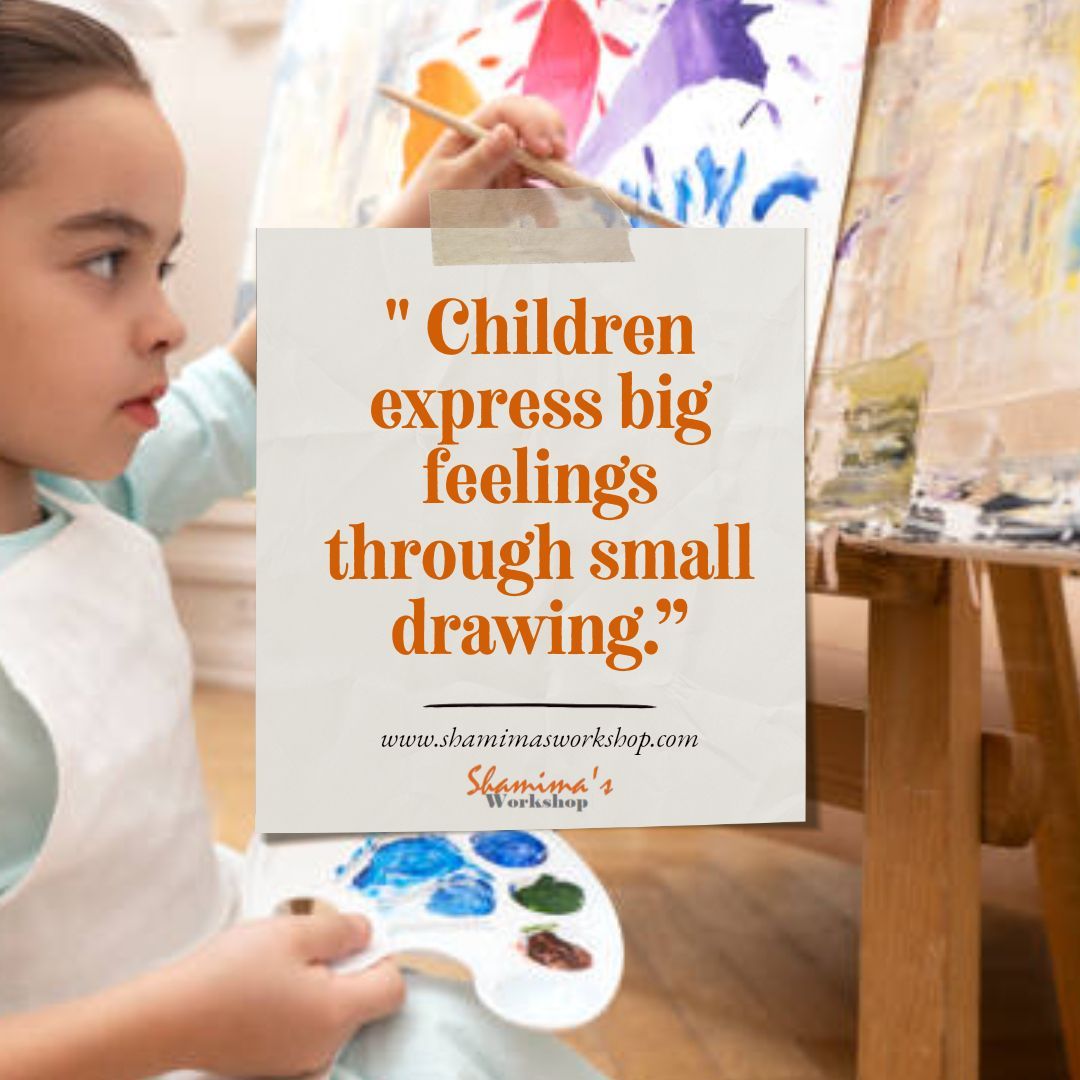
From the moment children can hold a crayo n or explore textures with their fingers, art becomes their natural language. Before they can speak, they draw, build, smear, and explore, expressing emotions and thoughts that words cannot yet capture.
Art therapy uses this natural creativity to support children’s emotional, social, and cognitive development. For children aged birth to five years, it offers a nurturing space to express feelings, build confidence, and strengthen the bond between child and caregiver.
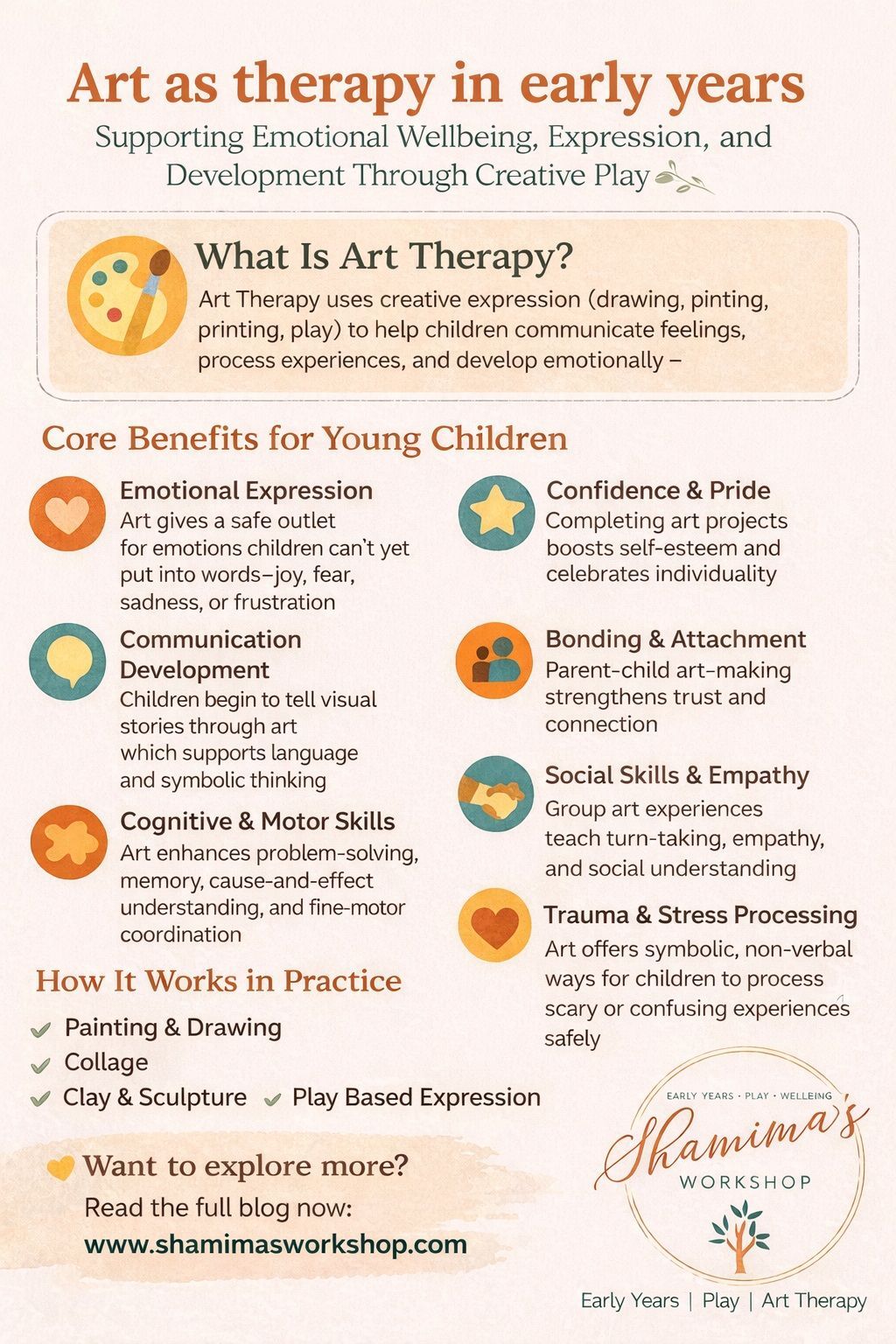
Art Therapy is a form of psychotherapy that uses creative expression as a pathway for emotional understanding and healing. Through drawing, painting, sculpting, and imaginative play, children can process experiences, express complex emotions, and build resilience in a non-verbal and playful way.
It’s not about creating a perfect picture — it’s about the process of creating, and the stories and emotions that unfold through it.
What is Art Therapy in the Early Years?
Art Therapy in the early years is a gentle, creative approach that helps young children express emotions, explore their inner world, and make sense of their experiences through play and imagination. Long before children have the words to describe how they feel, art becomes their natural language — a bridge between feelings and understanding. Through drawing, painting, movement, and sensory exploration, children aged birth to five can safely communicate joy, fear, curiosity, or sadness. In early childhood settings, Art Therapy not only nurtures emotional wellbeing but also enhances social, cognitive, and physical development, supporting the whole child in a holistic, compassionate way.
Supporting the Whole Child
In early childhood, emotional growth is deeply connected to physical, cognitive, and social development. Art Therapy nurtures the whole child by integrating mind, body, and emotion in one experience. It encourages creativity, enhances concentration, improves fine-motor skills, and supports healthy attachment. Whether a child is adjusting to new environments, experiencing transitions, or simply exploring their imagination, art offers a gentle way to build resilience and self-understanding.
A Holistic Approach to Early Years Practice
For early years practitioners, parents, and educators, incorporating Art Therapy techniques into daily routines transforms learning into a deeply meaningful and mindful experience. It allows children to feel seen, heard, and valued, while giving adults insight into their inner world. Through creative expression, we don’t just teach, we connect, listen, and help children grow emotionally strong, confident, and compassionate.
Benefits of Art Therapy in the Early Years
Art therapy can be deeply supportive for very young children (birth to five years), because at this age children are still developing language skills and often express themselves more naturally through play, movement, and imagery rather than words. Lets see how can art therapy be helpful for early yeras children (birth to five years old children).
Emotional Expression
Young children often feel emotions they cannot name. Toddlers and preschoolers can’t always put feelings into words. Art gives them a safe outlet to express joy, sadness, anger, or fear. Making art helps children explore feelings safely. For example, finger painting can help release frustration, while drawing with bright colors can express happiness. Scribbling or choosing colours can reflect what they’re feeling inside. Creative activities like clay work or finger painting can calm children and reduce stress. These sensory experiences help regulate emotions and improve focus and attention. Completing an artwork, no matter how simple, gives a sense of achievement and pride, builds self-esteem.
Supports Communication Development
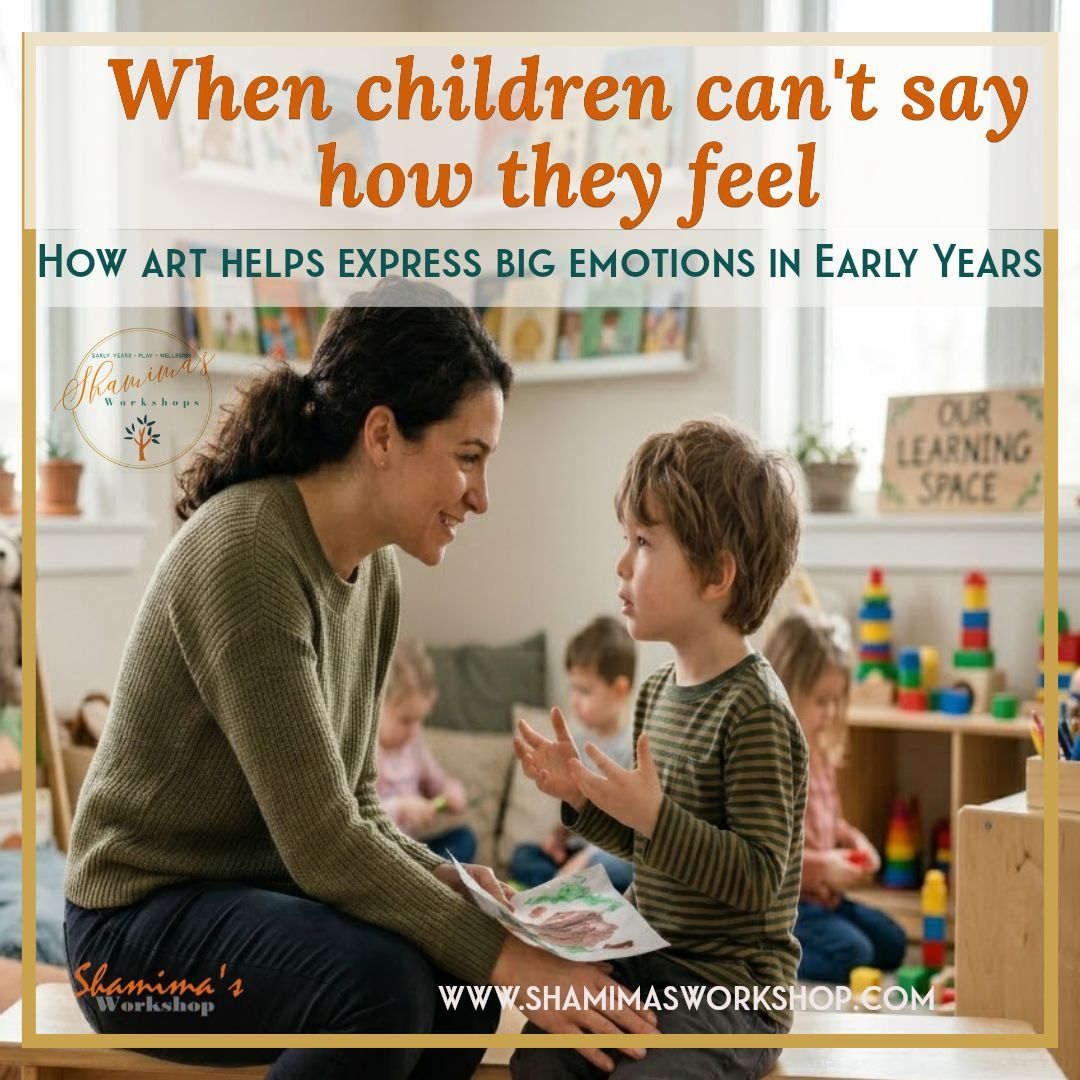
When children draw or paint, they begin to tell visual stories. This nurtures language development, as they start to describe their creations, sequence ideas, and communicate through symbols. Even if a child can’t talk much, pointing to colors, faces, or shapes opens pathways for dialogue.
Boosts Self-Confidence
Completing an artwork gives children a sense of pride and ownership. Displaying their work at home or in class reinforces their confidence and celebrates individuality. As a group activity, children working together provides them the opportunity to give each other feedback, which aids in learning how to receive crticism and praise from others.
Enhances Cognitive Development
Creative artistic engagement encourages lasting changes in neural networks, strengthening brain adaptability—a crucial aspect of early learning. Through art, children learn problem-solving, cause-and-effect, and spatial awareness. Activities such as mixing colours or building structures improve fine-motor coordination and cognitive flexibility. Creating with colors, textures, and shapes strengthens neural connections related to problem-solving, memory, and symbolic thinking that support children's brain development.
Encourages Bonding & Attachment
Parent-child art therapy (drawing together, making joint collages) strengthens trust and attachment, especially if a child has experienced separation, trauma, or stress at home.
Encourages Social Connection
Group art sessions teach sharing, turn-taking, and empathy. Children observe and respect each other’s artwork, developing early social and emotional intelligence.
Processing Trauma or Stress
Young children may not “talk out” difficult experiences (such as medical procedures, family conflict, or loss). Art offers a safe symbolic outlet to process scary or confusing events. Children facing medical treatments, such as cancer, benefit emotionally from art therapy through improved expression and quality of life, reduce distress during illeness or hospitalization.
Supports Holistic Growth
Art therapy nurtures the whole child , emotionally, physically, socially, and intellectually — laying the foundation for lifelong wellbeing and creativity.
The incorporation of the arts early in early childhood has many benefits, and children's involvement in arts-infused programs and activities will develop their cognitive, creative, social, and emotional skills and play a larger part in their optimal development. Art therapy gives children a way to speak from the heart without words. For early years practitioners and parents, it offers powerful insight into a child’s inner world and supports emotional well-being from the very start.
By introducing art as a tool for healing and learning, we nurture children who are more confident, creative, and emotionally aware, ready to flourish in all areas of life.