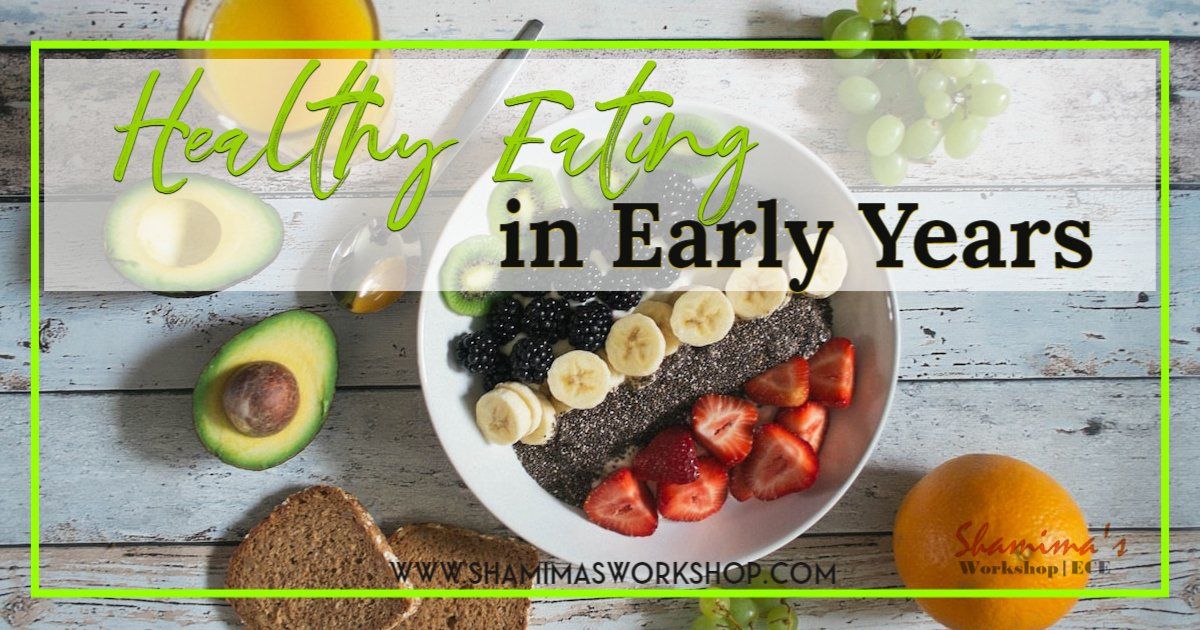
Healthy Eating in Early years
Shamima's Workshop Early Childhood Education
This is a subtitle for your new post
Healthy eating means eating a variety of foods so that the child gets the nutrients such as protein, carbohydrate, fat, vitamins, and minerals, he or she needs for normal growth. If a child regularly eats a wide variety of basic foods, the child will be well-nourished.
With more than a fifth of children either overweight or obese when they join Reception class, it is vital that healthy eating habits are introduced to children from a young age. A nutritious, balanced diet and sufficient physical activity are essential to a child’s long-term health and development, and good nutrition also helps improved learning and behaviour. Nowadays, children seem to be obsessed with eating junk food. Children all throughout the world consume a lot of harmful foods, including sugary delights and other types of savory foods. Research shows that on any one day, 36.3% of children and people between the ages of 2 and 19 eat fast food.
What is meant by healthy eating?
Healthy eating means eating foods from a variety of food groups to get the energy and nutrients that a body needs to grow. There's no one type of food that can provide all the nutrients a human body needs – so it's important to eat a wide range of foods. Eating a variety of foods so that the child gets the nutrients such as protein, carbohydrate, fat, vitamins, and minerals, he or she needs for normal growth. If a child regularly eats a wide variety of basic foods, the child will be well-nourished.
Why healthy eating is important in early year?
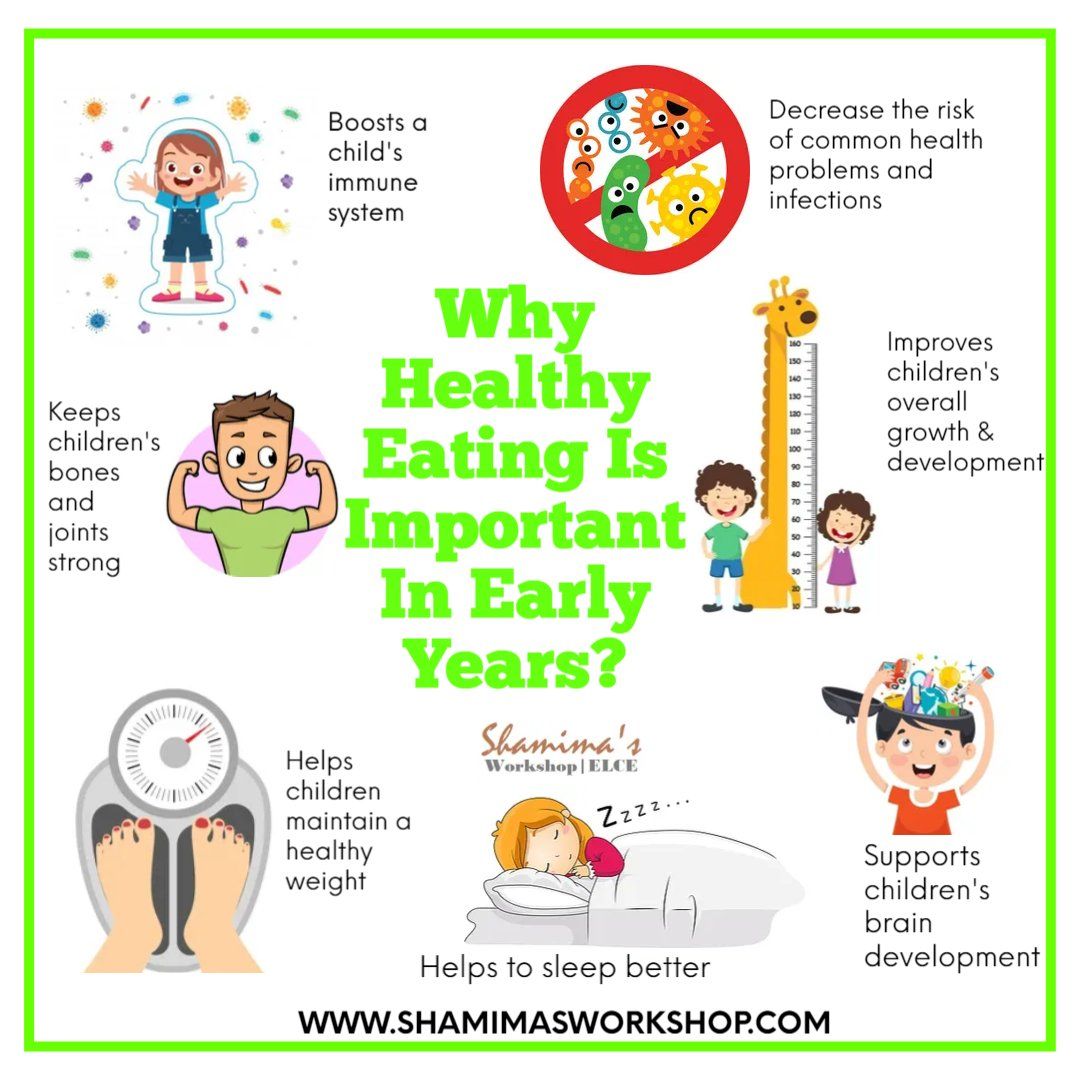
Children's health is protected when they are young by being encouraged to eat healthy food and learn about food, and the foundations for their future health and wellbeing are built when they are young. Healthy eating shows several benefits, some include:
-It helps children maintain a healthy weight.
-boosts a child's immune system.
-decrease the risk of common health problems and infections
-Keeps children's bones and joints strong
-improves children's overall growth and development.
-supports children's brain development
-helps to sleep better.
Healthy eating is an essential life style diet that we should follow to maintain every day functions of our bodies, assist in disease prevention and promote optimal body weight. Creating healthy eating habits in children can be challenging in today's hectic world where most parents work. However, by using small strategies to enhance nutrition and promote healthy eating, you can help them.
YOU MIGHT ALSO LIKE
Shamima's Early Years Blog
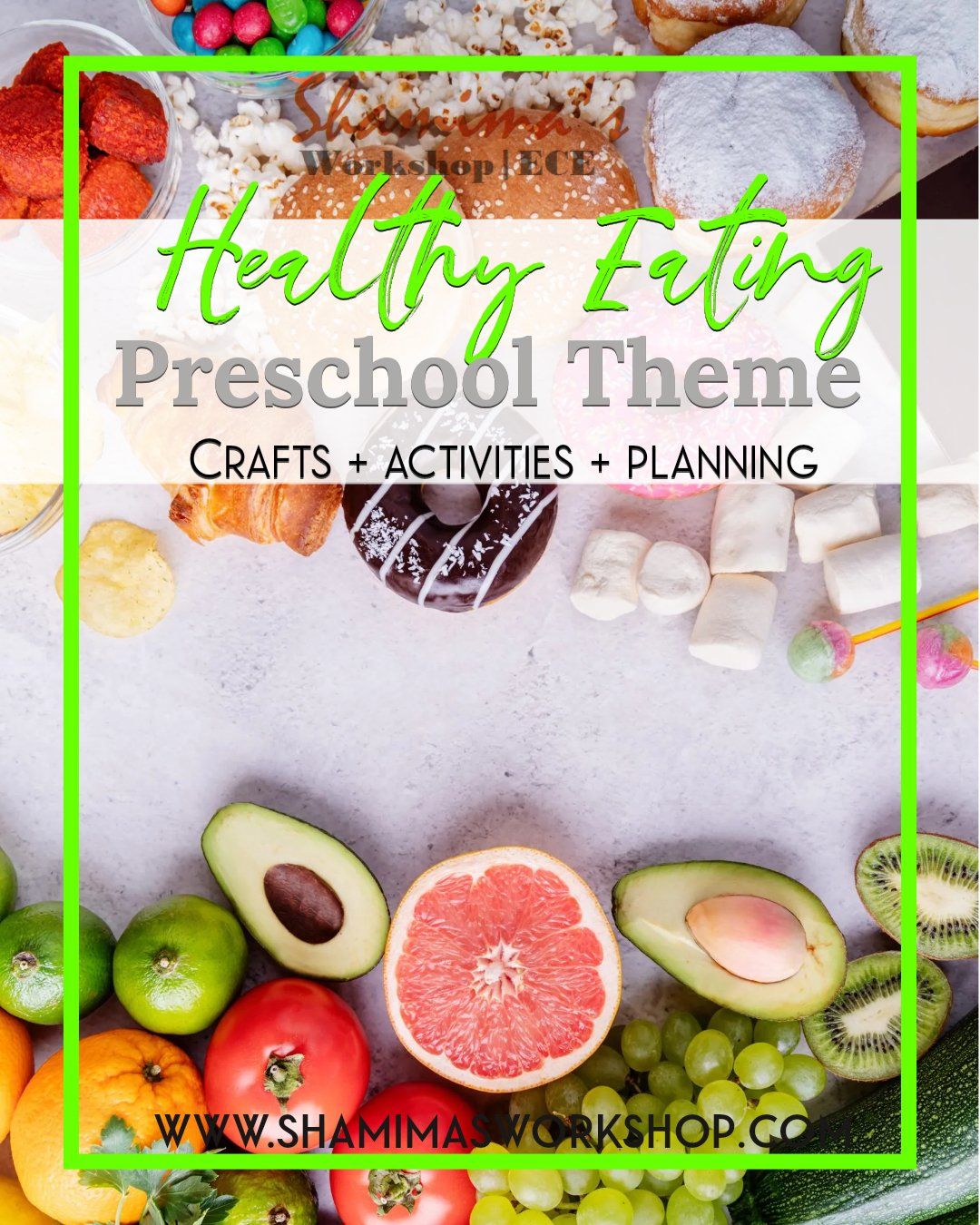
Explore "Healthy eating" theme on Shamima's Workshop|ECE, how you might play a part in promoting healthy eating.
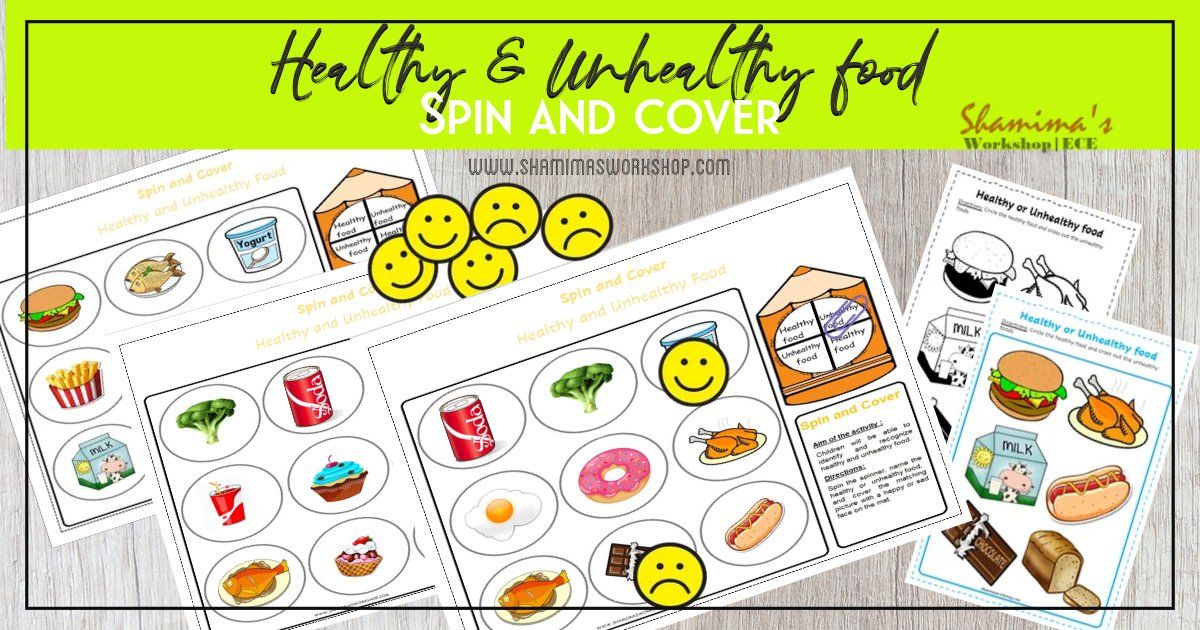
Healthy and unhealthy food Spin and cover is fun way to identify healthy and unhealthy food and a great way for children to practice sorting skills.
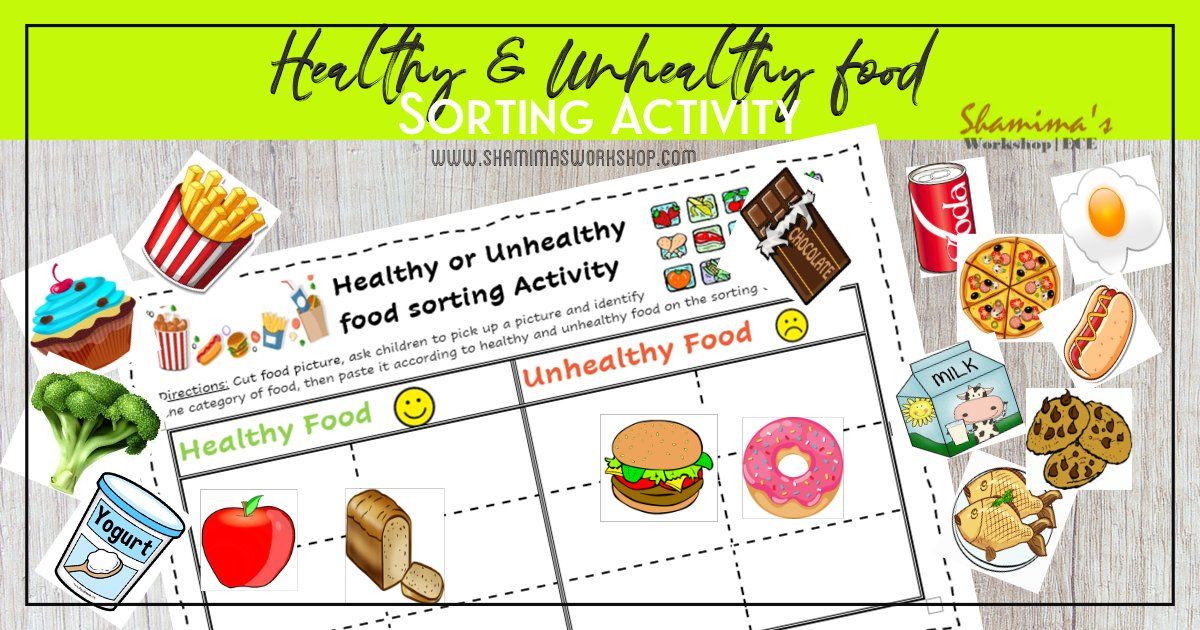
Play-based food activities are a great way to teach children about healthy eating and to expose them to new and non-preferred foods in a gentle way.
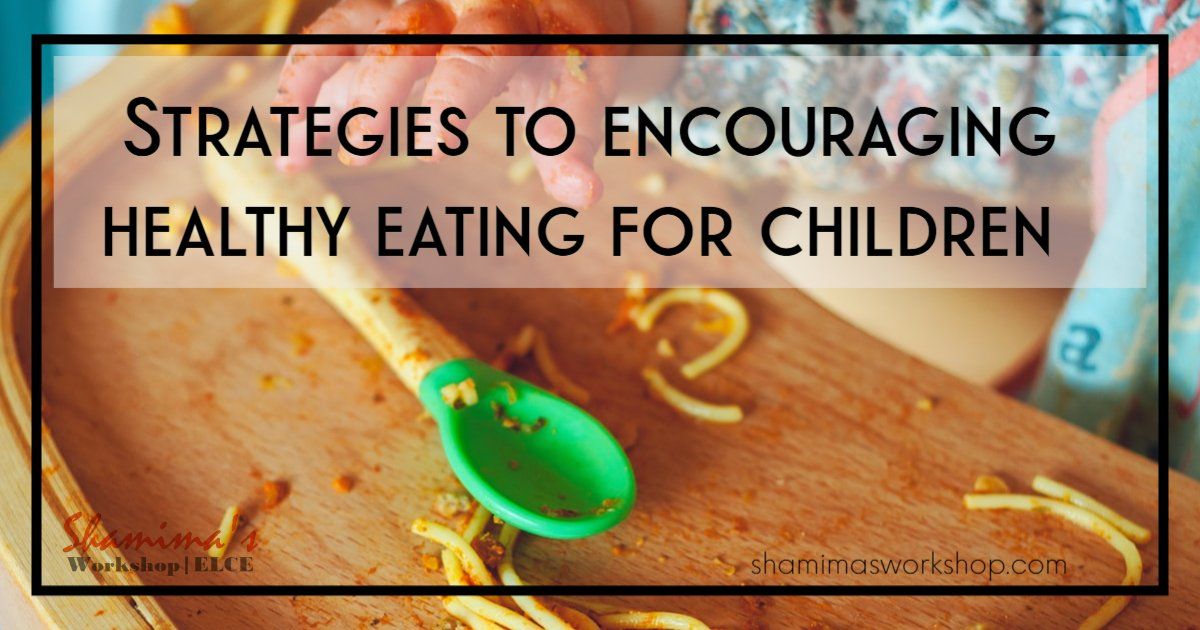
How do you encourage healthy eating for children under five years?
Welcome
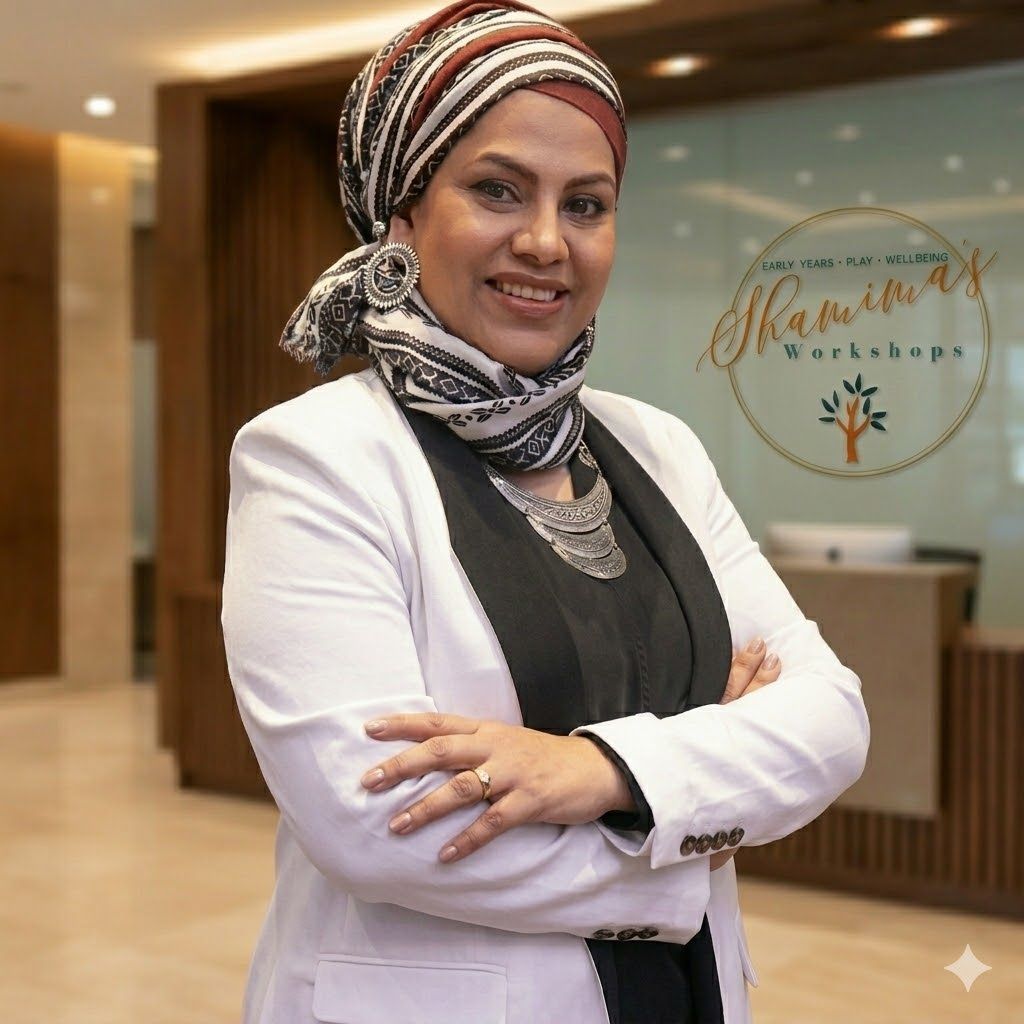
Hi, i am Shamima Fowzee, an early years educator, trainer and consultant. I Share ideas, inspiration, & resources for play-based, inquiry-led learning. Find out more about me here.
SHOP NOW
RECENT POST
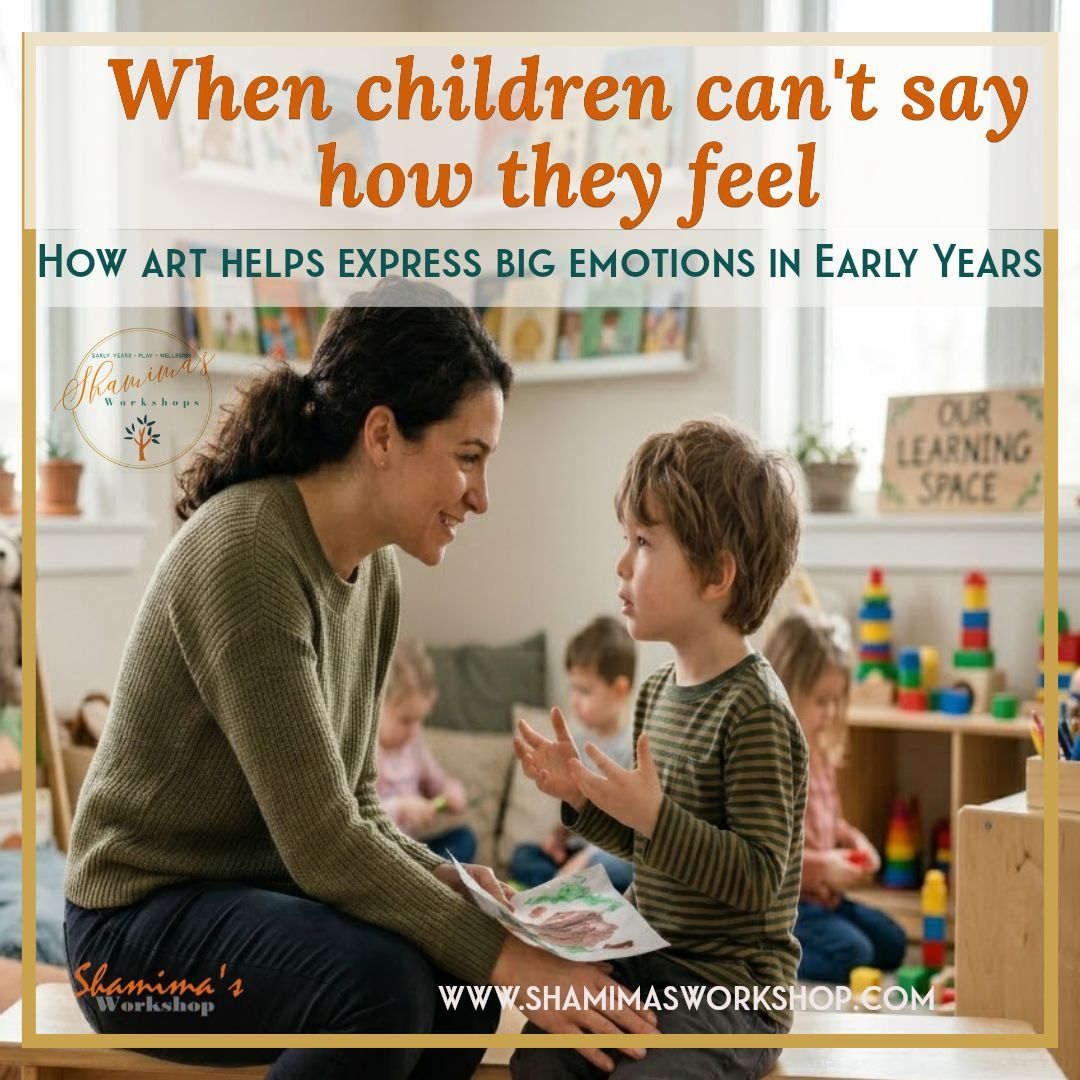
Helping children who can’t express their feelings? Discover practical early years strategies and how art supports emotional expression and behaviour.
Discover how art therapy supports emotional, social, and cognitive development in young children. Learn 7 simple art therapy activities for children aged birth to 5 years by Shamima’s Workshop.
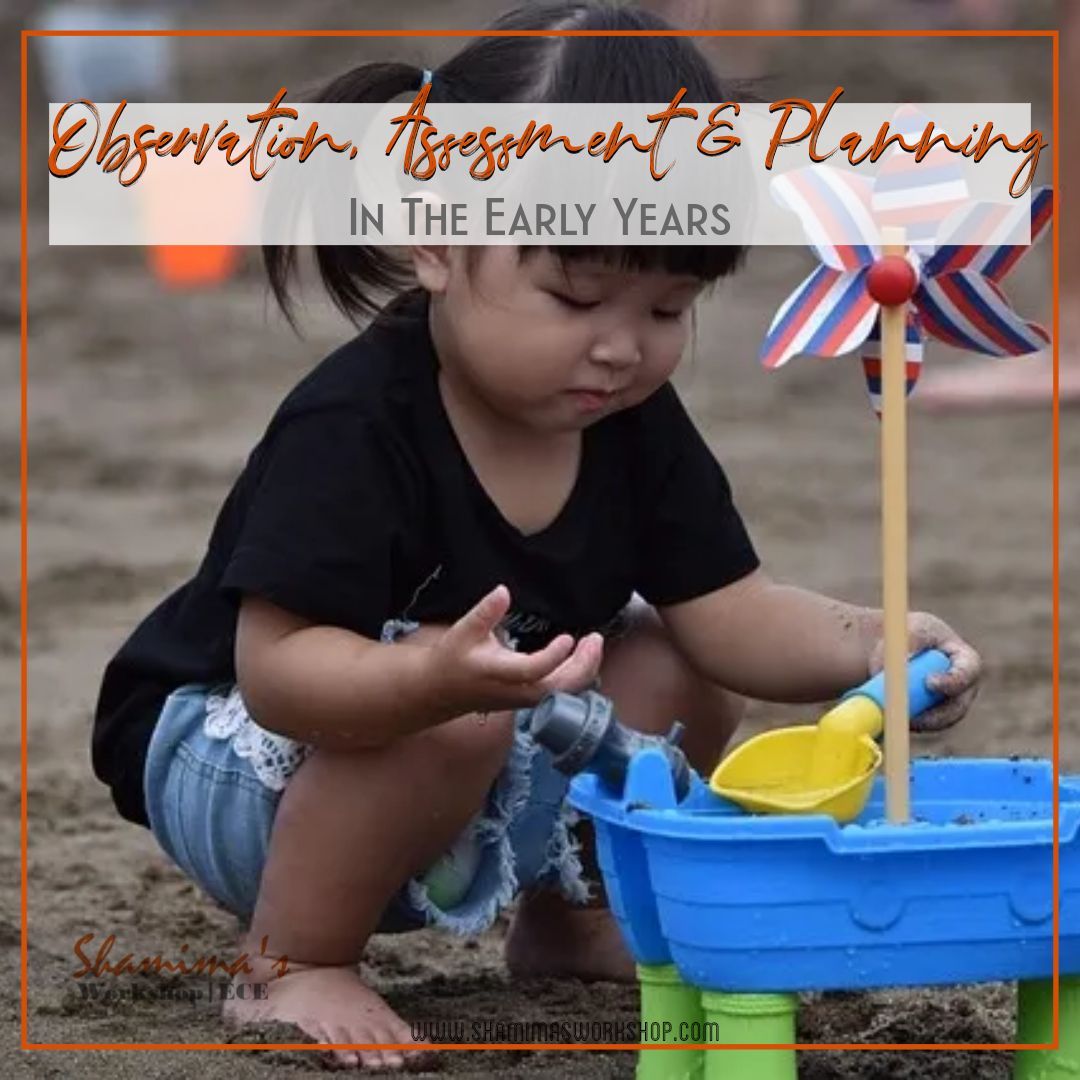
Learn how the Observation, Assessment and Planning (OAP) cycle supports effective early years practice. Develop skills to observe, assess, and plan meaningful learning experiences aligned with EYFS and Development Matters.
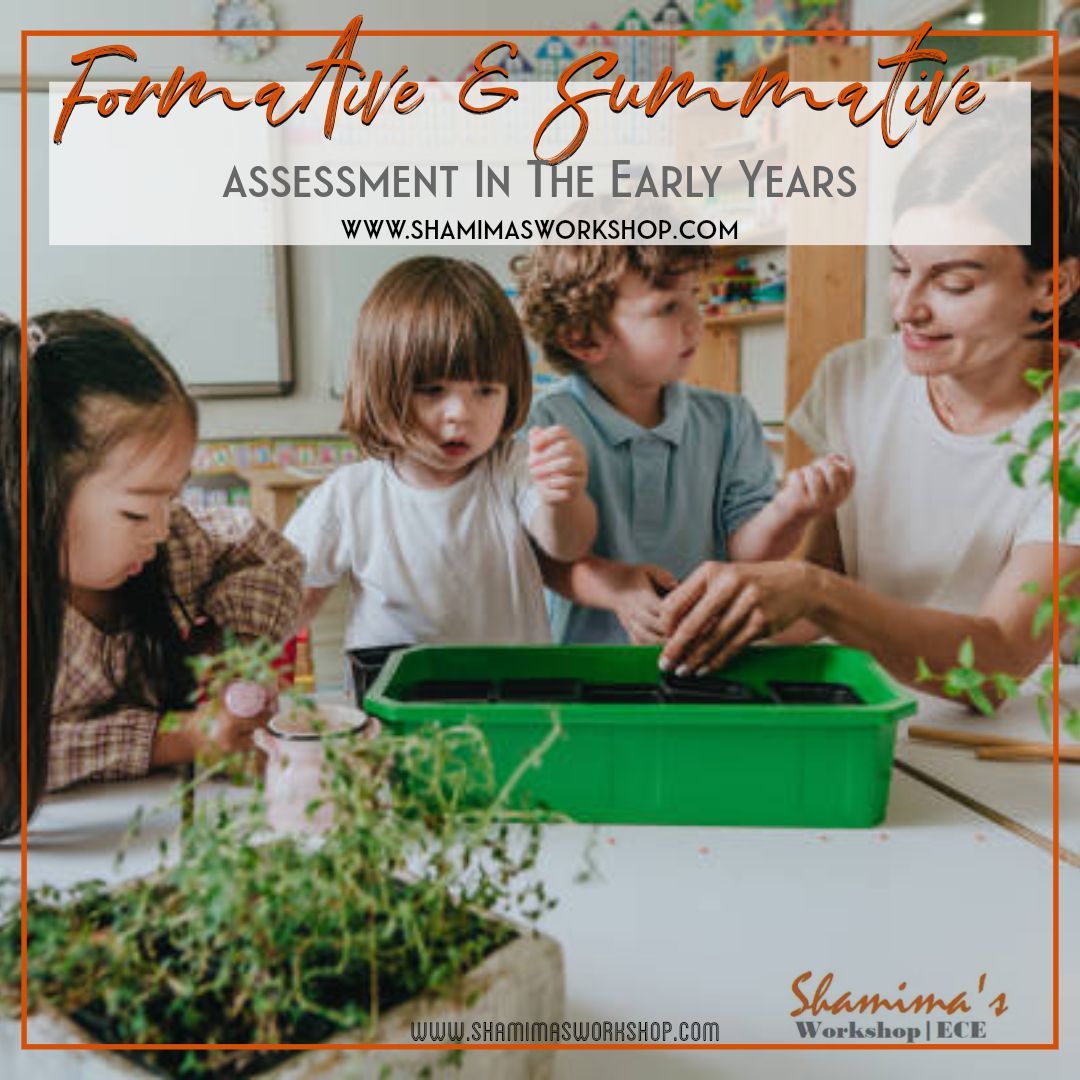
As an early childhood practitioner, you will frequently come across the term "assessment". Assessment is part of early years practitioners' day-to-day interactions with children. In the early years, assessment is the process of gathering information about a child, analyzing that information, and then using the information to arrange educational activities that are at the level of the child and also benefit the child. EYP continually makes judgments about children's learning and development and uses the information they gather to help children to progress. Children, too, make judgments about what they are good at, what they enjoy doing, what they can do now with little help, and what they would like to be able to do in the future. “ Assessment plays an important part in helping parents, carers and practitioners to recognise children’s progress, understand their needs, and to plan activities and support. “ EYFS Framework 2024, section 2.1, page 19 The most common types of assessment are formative and summative. As a preschool teacher, you might be familiar with these terms but still need clarification about how they work.
How can I thank you? Spread the word!
For everyone who is passionate about the importance of Early Years.