Nurturing Gratitude in Early Years: Strategies and activities for home and preschool
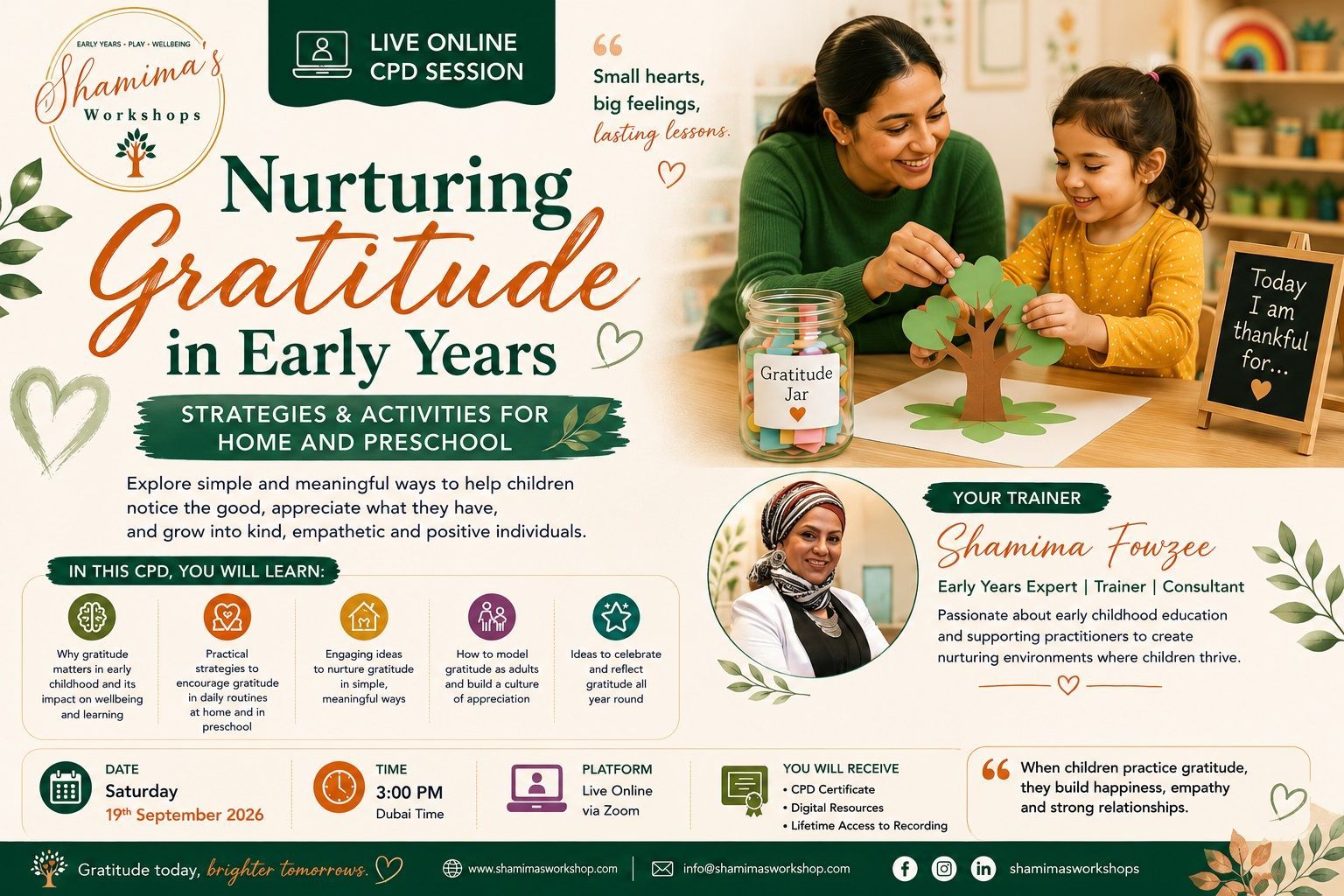
Nurturing Gratitude in Early Years
Strategies & activities for Home & Preschool
By Shamima Fowzee| Early Years Trainer & Consultant
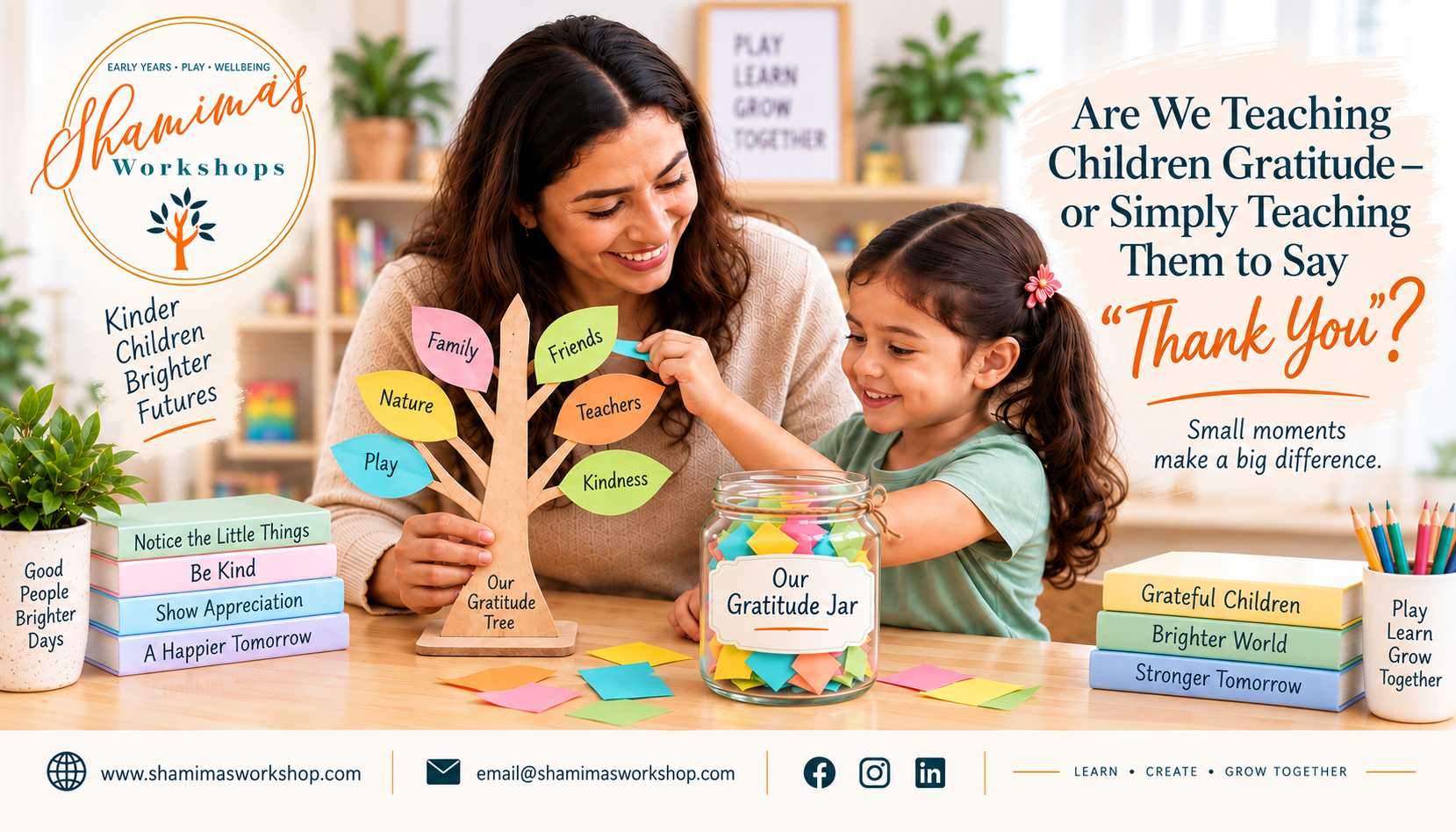
Are We Teaching Children Gratitude — or Simply Teaching Them to Say “Thank You”?
Gratitude is about recognising and appreciating the positive things in our lives. It means taking time to notice the people, experiences and everyday moments that we might otherwise take for granted. Whether it is something significant or simply a small moment of joy, gratitude encourages us to pause, reflect and appreciate the good that surrounds us.
Gratitude is the ability to notice, recognise and appreciate the positive things in our lives. These may include the people who care for us, acts of kindness, meaningful experiences, relationships, nature or simple everyday moments that bring comfort and joy.
Gratitude in Early Years
The early years are a crucial period for children's social and emotional development. Children are learning how to recognise emotions, build relationships, understand other people's perspectives and develop a sense of belonging. When gratitude is introduced in a developmentally appropriate way, it can provide opportunities to support several areas of children's development.
For a young child, gratitude may not always look like saying “thank you.” It might be a smile when a friend shares a toy, excitement when a familiar adult arrives, a drawing made for someone special, or simply noticing a beautiful flower during outdoor play.
For young children, these understandings develop through relationships, modelling, conversation, play and repeated everyday experiences.
Why is Gratitude important in Early Years?
The early years are a crucial period for children's social and emotional development. Children are learning how to recognise emotions, build relationships, understand other people's perspectives and develop a sense of belonging. When gratitude is introduced in a developmentally appropriate way, it can provide opportunities to support several areas of children's development.
Personal, Social and Emotional Development
Talking about people who help us and experiences that make us feel cared for can encourage children to recognise relationships, kindness and the feelings associated with positive social experiences.
Communication and Language
Gratitude conversations give children opportunities to describe experiences, express feelings, listen to others and develop emotional vocabulary. Instead of asking only, “What are you grateful for?”, practitioners can use more concrete questions such as:
“What made you smile today?”
“Who helped you today?”
“What did you enjoy doing?”
These questions are often easier for young children to understand.
Empathy and Relationships
When children begin noticing what other people do for them, practitioners can gently help them consider another person's actions and feelings. For example:
“Your friend brought your water bottle when you couldn't find it. How did that help you?”
These small conversations can support children's growing awareness of others.
Reflection and Positive Awareness
Young children naturally focus on what is happening in the moment. Simple gratitude experiences can encourage them to pause, remember and talk about positive moments from their day. Importantly, this does not mean teaching children to ignore difficult feelings. A child can feel disappointed, angry or sad and still learn gratitude. We should never use phrases such as “You should be grateful” to dismiss a child's emotions. The aim is not to create children who are positive all the time. It is to help them develop a broader awareness of their experiences.
When do children learn about gratitude?
Children begin learning about gratitude as early as age 2. At this stage, they may start expressing thanks when prompted. By ages 3 to 5, children can understand the concept of gratitude more deeply and show appreciation independently.
Why is Gratitude important
in Early Years?
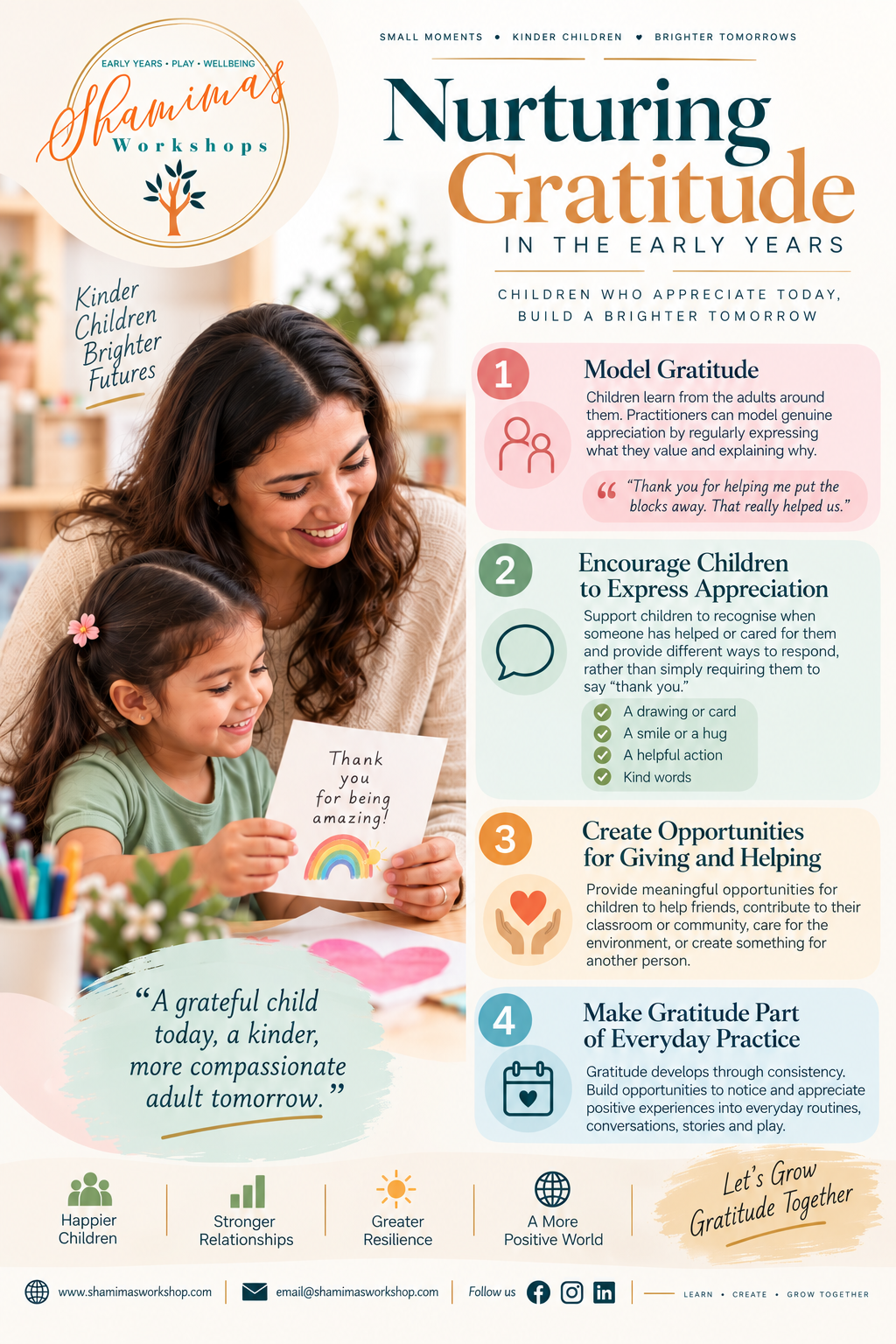
Model Gratitude — Let children regularly hear adults expressing genuine appreciation. Be specific: “Thank you for helping me put the books away. That made our classroom tidy and ready for story time.”
Encourage Children to Express Appreciation — Teach “thank you” as part of social communication, but go beyond the words. Help children understand why they are thanking someone: “Your friend helped you find your water bottle. How did that make you feel?” Children can express appreciation through words, gestures, drawings or acts of kindness.
Create Opportunities for Giving and Helping — Involve children in meaningful, age-appropriate acts of kindness, such as making a card for someone, helping a friend, collecting items for a community initiative, caring for plants or preparing something for another group. The important part is discussing who is being helped and why. I would avoid presenting charity as “we should be grateful because other people have less.”
Make Gratitude Part of Everyday Practice — Gratitude develops through repeated experiences rather than a single lesson. Build small opportunities into routines through gratitude circles, stories, reflection questions, appreciation jars or conversations at the end of the day.
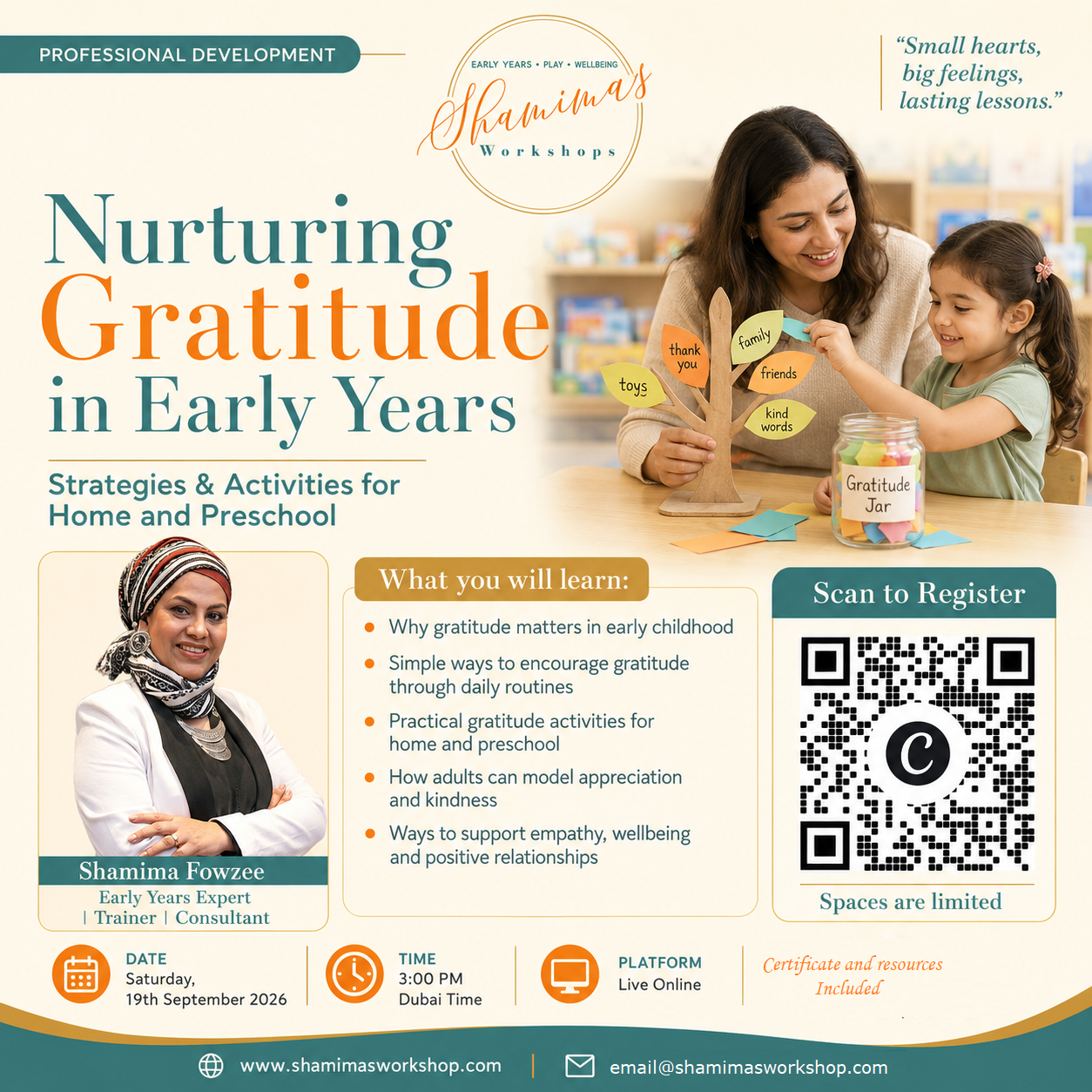
Want to explore practical ways to nurture gratitude in your early years setting?
Follow this with your CPD details:
Nurturing Gratitude in Early Years
Strategies & Activities for Home and Preschool
📅 Saturday, 19 September 2026
⏰ 3:00 PM Dubai Time
💻 Live Online
🎁 Certificate and resources included
Register here:
https://shamimasworkshop.com/store/CPD-Nurturing-Gratitude-in-Early-years-p837276921
Final Thoughts
Gratitude Is More Than “Thank You”
Teaching gratitude in the early years is not simply about encouraging children to use polite words. It is about helping them notice kindness, recognise the contribution of others, appreciate everyday experiences and express those feelings in meaningful ways.
Gratitude develops gradually. When practitioners model appreciation, create opportunities for children to help and give, encourage genuine expressions of thanks, and make gratitude part of everyday conversations and experiences, children begin to understand what gratitude actually means. We also need to remember that gratitude should never dismiss difficult emotions. A child can feel disappointed, angry or sad and still learn to notice positive experiences. Our role is not to tell children that they should be grateful, but to create an environment where appreciation can develop naturally.
So perhaps the question we should ask ourselves is not:
“Did the child say thank you?”
but rather:
“Did the child have an opportunity to notice, feel and understand appreciation?”
Because when gratitude becomes something children experience rather than simply perform, we are supporting more than good manners, we are nurturing empathy, relationships, reflection and a deeper awareness of the people and world around them.
Welcome
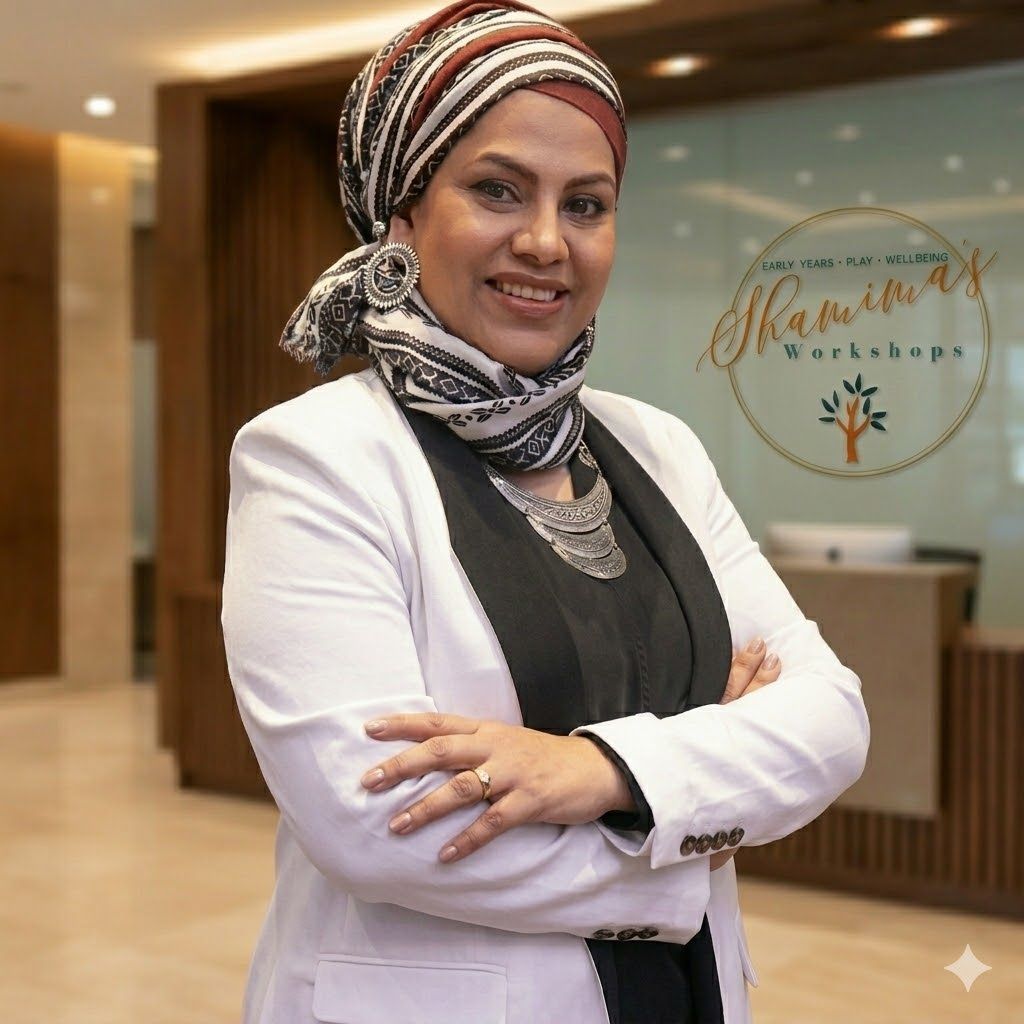
Hi, i am Shamima Fowzee, an early years educator, trainer and consultant. I Share ideas, inspiration, & resources for play-based, inquiry-led learning. Find out more about me here.
SHOP NOW
RECENT POST
How can I thank you? Spread the word!
For everyone who is passionate about the importance of Early Years.